A thousand dollars is where the spec sheet starts making promises the $500 list can’t. Below it, an 80-hour reserve is the exception. Above it, on the watches that actually earn a slot here, it’s the baseline. I rechecked every plausible candidate’s street price this week, at the manufacturer’s own store where one loads cleanly and at an authorized retailer when it doesn’t, and six Atlas entries survived contact with today’s numbers. That is the honest count for a guide chasing the best watches under 1000 dollars: not eight, not ten, six, and the list below changes the moment those prices do.
Ranking follows the same rule as every guide on this desk: spec value at the verified street price, argued from the Atlas sheet, not from marketing copy. Two Tissots running the same movement, a Chinese chronograph with a complication Swiss houses charge four figures for, an American microbrand diver, and two versions of the same Baltic case made the cut this week. A Seiko, a Christopher Ward and a Junghans did not, because all three now price over this line at authorized retail, and I will not round a real number down to make a list look more interesting.
The clasp is the whole argument for the Traska
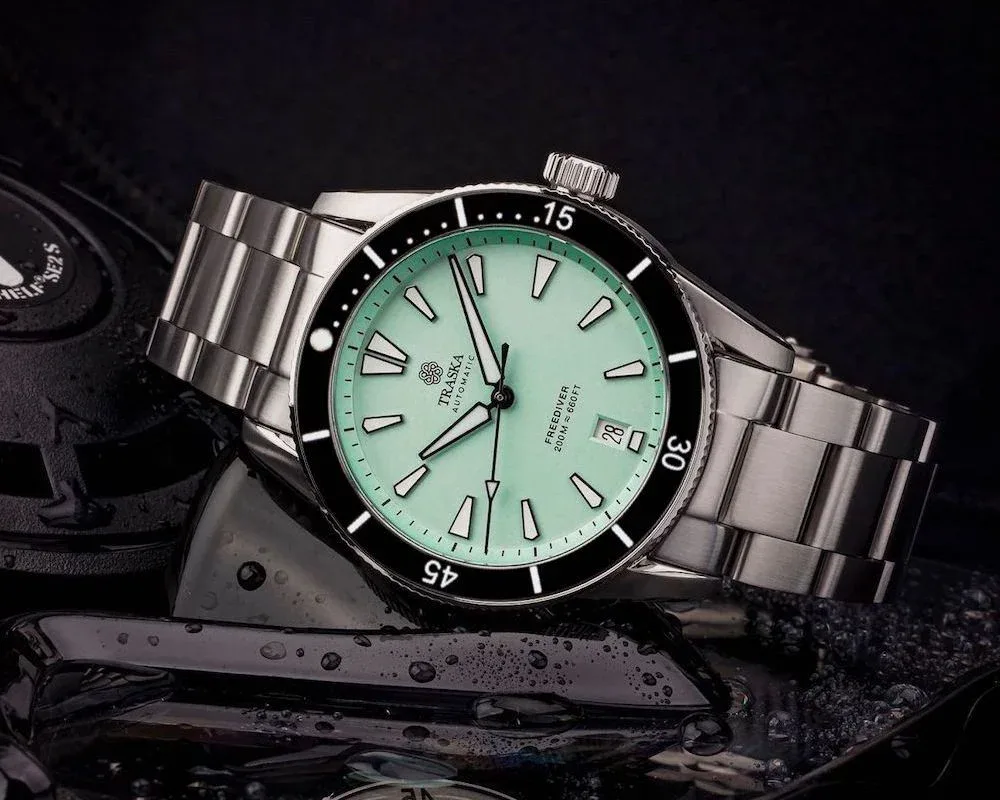
The Traska Freediver tops this list at an 86-point Atlas total, and the number that actually explains it is a component, not a movement. Seiko’s own SPB143, the watch most people compare this one to, ships with no micro-adjust at all and prices at $1,100 to $1,200 at authorized Seiko Luxe retail, over this guide’s ceiling entirely. Traska sells the same idea direct, with a tool-less six-position micro-adjust clasp, a 40.5mm case at 11.9mm thick, and a Miyota 9039 hacking and hand-winding at 28,800 beats an hour, all for $685 to $735 depending on colorway. Two hundred meters of water resistance and drilled lugs round out a spec sheet that reads like it belongs to a pricier watch. The catch is real: 42 hours of reserve won’t outlast a long weekend the way an 80-hour caliber will, and Traska has no dealer network or years of secondhand pricing data standing behind the number. Buy it anyway if the clasp matters to you as much as it should.
Eighty hours becomes the baseline at this money
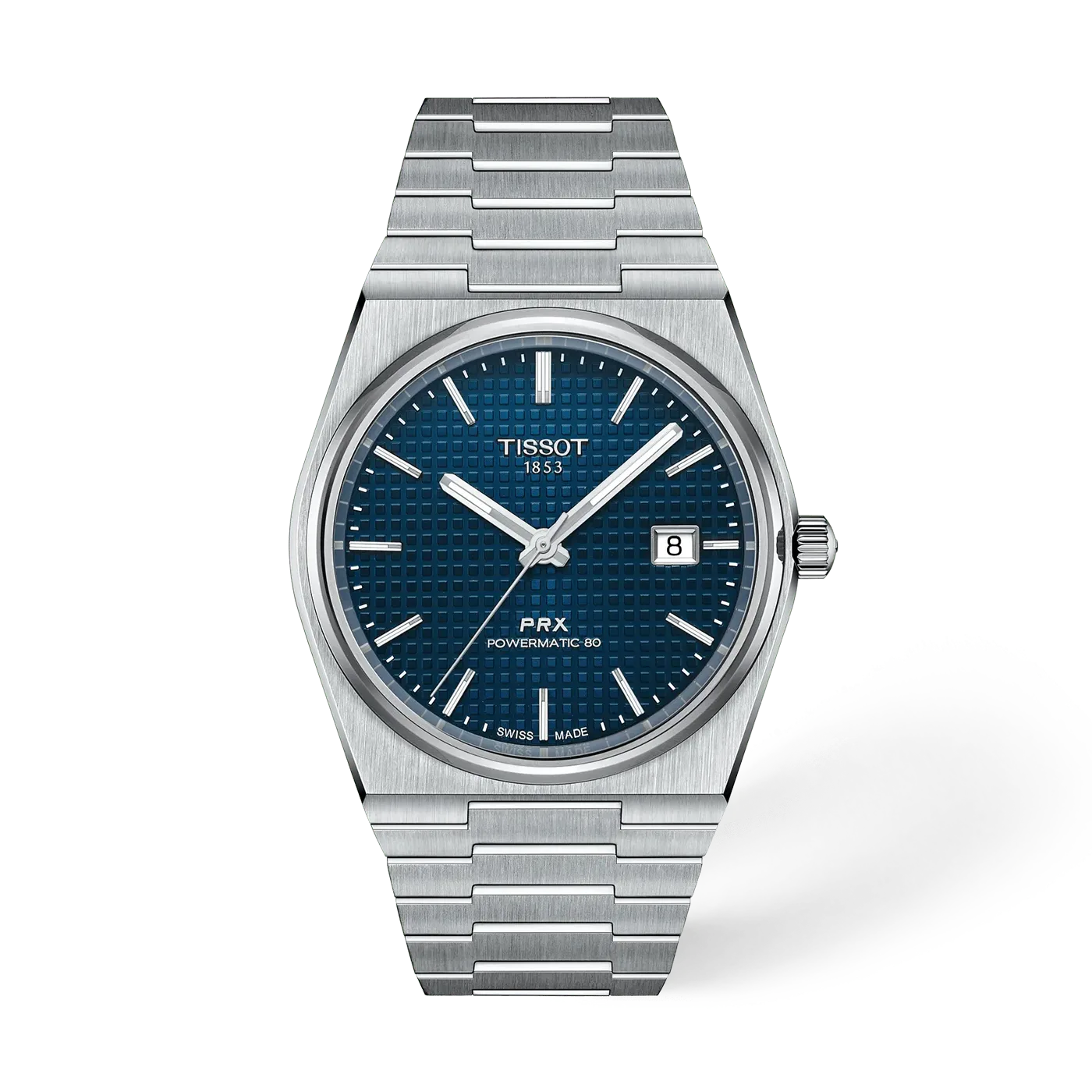
The Tissot PRX Powermatic 80 sits one rung down at 84 points, and the reason is almost entirely about reserve. This PRX runs a Nivachron balance spring, which means magnetism that would knock a cheaper automatic off rate by minutes a day barely touches this one, and it banks 80 hours against the Traska’s 42. Tissot’s own site currently lists the T137.407.11.041.00 at $850; an online retailer selling new stock with a warranty had it at $723 this week, so treat $723 to $850 as the honest range depending on where you buy. The integrated bracelet is the design event here, brushed flat links with no visible screws, and nothing else on this page is taking that job as seriously at the price. What it gives up is a micro-adjust clasp, an odd omission on a bracelet this considered, and the fact that there are no separate lugs at all: buy the case, buy the bracelet, no swapping either one out for a Sunday strap.
The column wheel is real, and that’s the whole review
The Seagull 1963 Chronograph is the reason this guide is worth reading rather than just repeating the same three brands. Most mechanical chronographs under a thousand dollars save money by fitting a cam-actuated clutch, the shortcut every collector argues about. Seagull’s ST1901 is a genuine column-wheel chronograph, hand-assembled at the Tianjin factory, tracing back to the D304 movement built for China’s first military aviation chronograph in 1963. Seagull’s own site prices the 40mm Original Times Edition at $789 this week. Omega’s Speedmaster Professional, the manual chronograph most people treat as the category’s benchmark, still runs a cam-actuated movement rather than a column wheel, and Omega charges roughly nine times the Seagull’s price for it. That comparison is the entire pitch, and it happens to be true. The catches are not hidden: 30 meters of water resistance, no bracelet option at all, and a product page that quotes 45 hours of reserve in its marketing copy and 40 to 42 hours in its own FAQ two paragraphs later. Split the difference and plan on two comfortable days off the wrist.
The same movement, dressed differently, costs more
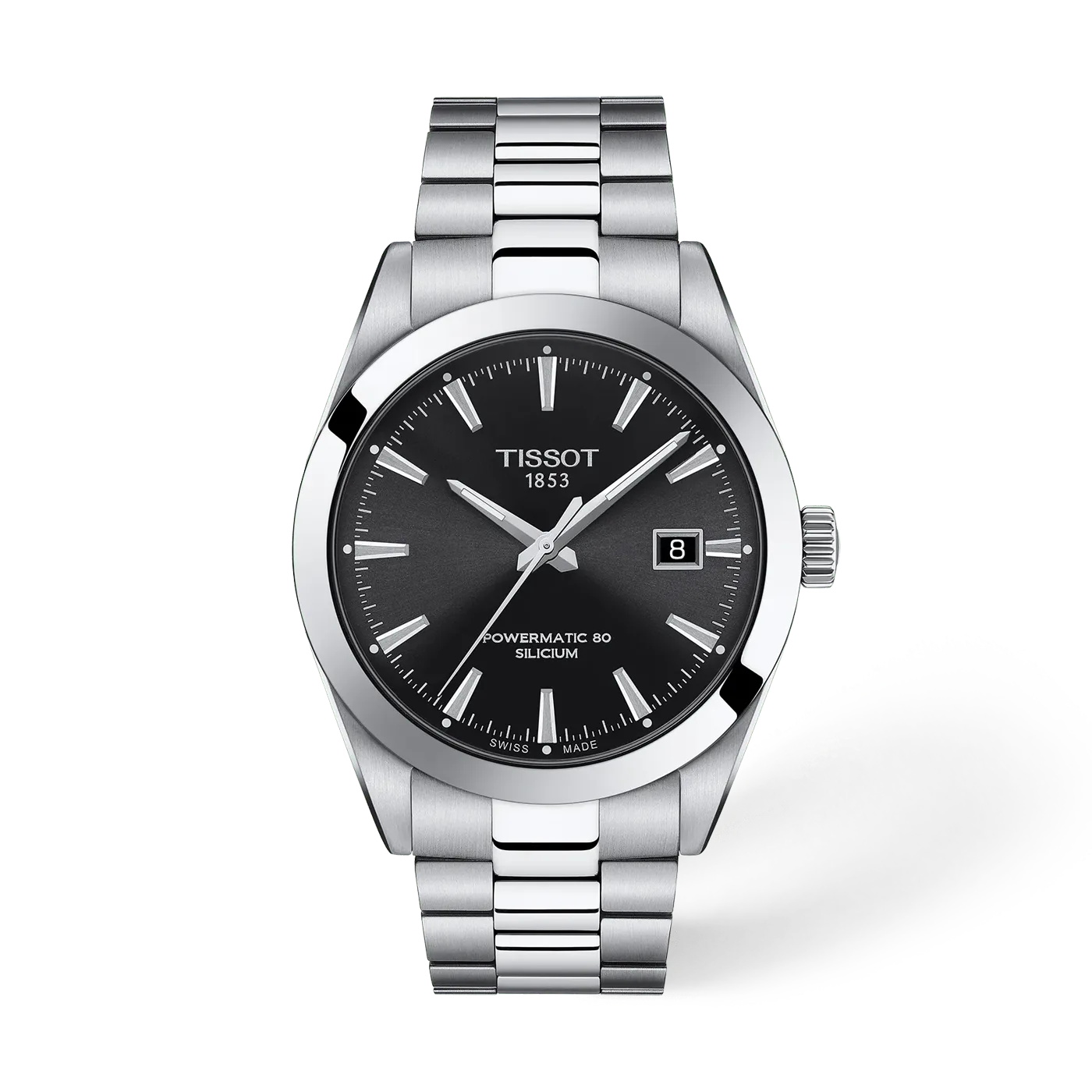
The Tissot Gentleman Powermatic 80 runs the identical Powermatic 80 architecture as the PRX above it: 40mm, sapphire with AR coating, 100 meters of water resistance, 80 hours of reserve. What changes is the case shape and the lug: a standard 21mm lug you can swap for leather without hunting proprietary end links, instead of an integrated bracelet you’re stuck with. Tissot’s own site lists the T127.407.11.051.00 at $950; the same discount retailer selling the PRX had this one at $808. That is real money for a case that reads more conservative and a bracelet that isn’t doing anything special. I would only send someone toward the Gentleman after they’ve decided, specifically, that they don’t want the PRX’s integrated look. If the bracelet doesn’t matter to you either way, buy the cheaper watch and bank the difference.
Two versions of the same diver, one honest gap between them
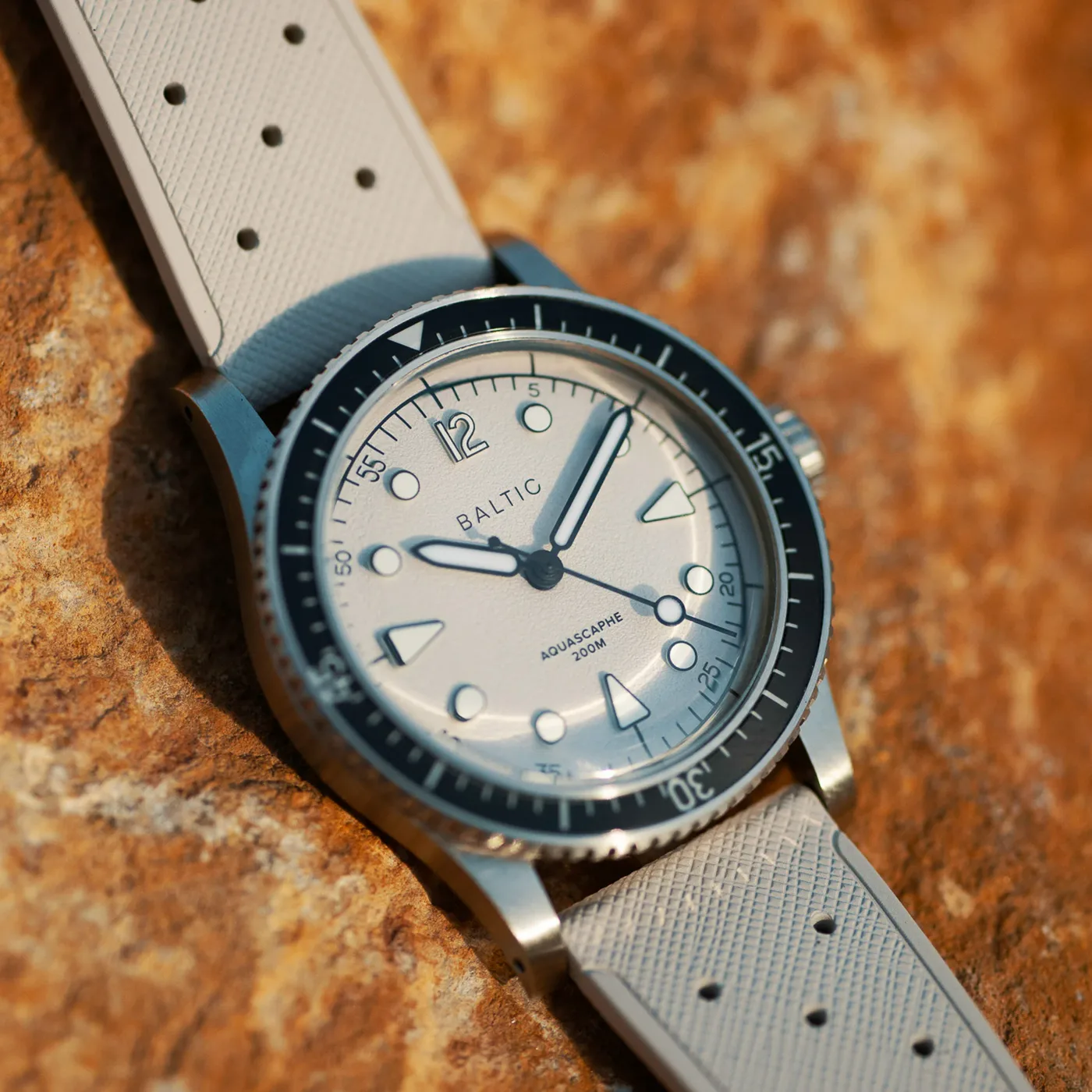
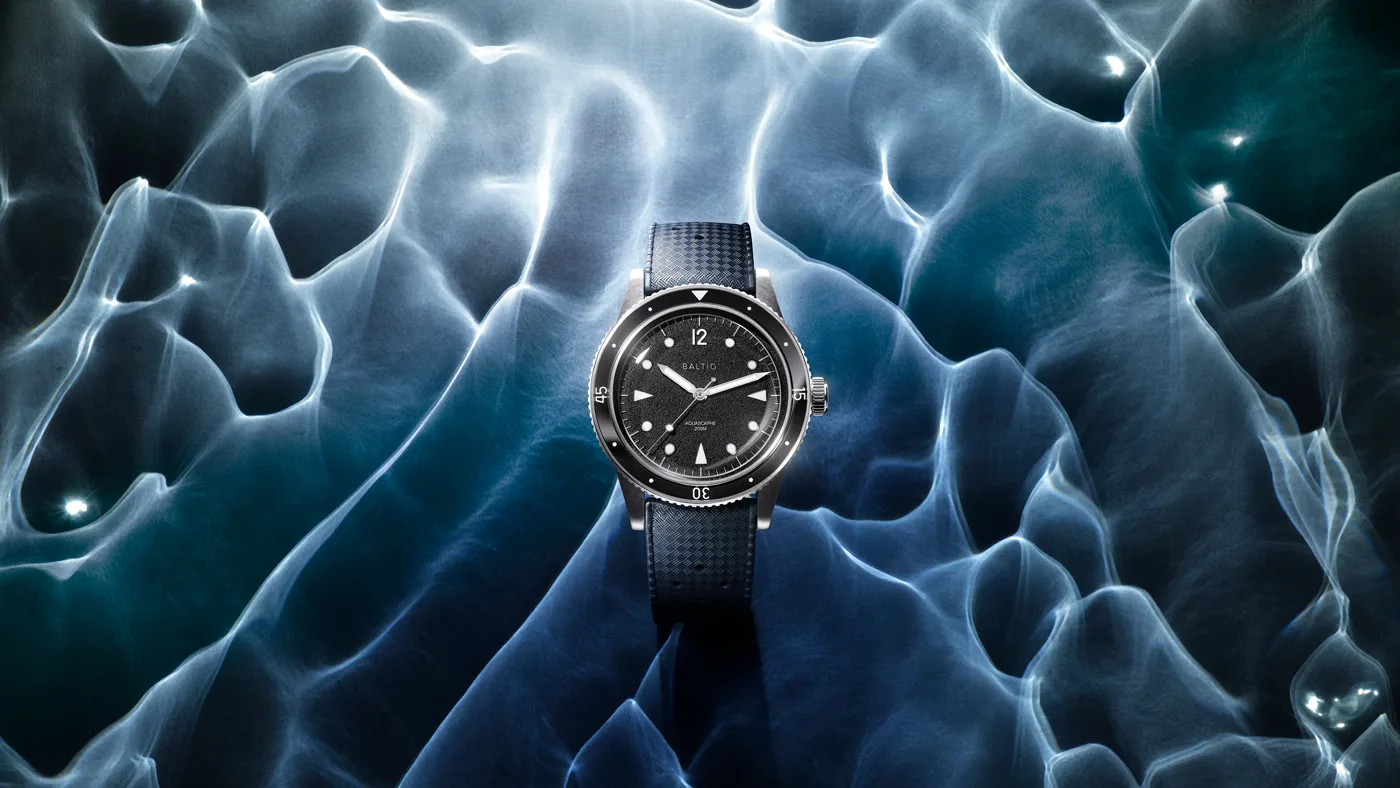
Baltic’s Aquascaphe MK2 and the outgoing Aquascaphe Classic round out this list at 78 and 77 points, close enough that the Atlas sheet calls it a coin flip and the actual differences call it something else. The MK2 adds crown guards, vertical case brushing and a sapphire bezel insert most $700 watches skip, over a 39.5mm case at 12.9mm thick, for $772 at an authorized North American stockist this week. The Classic keeps the exposed crown, circular case finishing and a printed sandwich dial in a 39mm case, for $735, just $37 less. Both run the same commodity Miyota 9039, holding 42 hours against the Tissot Powermatic’s 80, and both come from a brand selling direct with no independent service network behind either watch. Baltic has already pulled three of the Classic’s five original colorways from sale, so if the older shape is the one you actually want, this is close to the last chance to buy it new. If you’re shopping on the spec sheet alone, the MK2’s extra points are worth the extra $37.
Who should skip which
If reserve is the number you actually care about, skip both Baltics and both Tissots’ cheaper sibling, and buy the PRX or the Gentleman: 80 hours beats 42 hours every time you forget to wear a watch for a few days. If you want a genuine complication rather than just a bigger balance wheel, the Seagull is the only chronograph on this page, and the only one under a thousand dollars this desk has verified with a column wheel inside it. If a proprietary clasp and a direct-to-consumer brand with no service network make you nervous, buy a Tissot: it has a century of parts and service history behind it that Traska and Baltic simply don’t have yet.
What did not make the cut
Three watches came close enough to check twice this week. The Seiko Prospex SPB143, the “Baby 62MAS,” prices at $1,100 to $1,200 at authorized Seiko Luxe retail, at least $100 over this guide’s ceiling; it would rank near the top of this list on fit and finish alone if the price ever came back down. Christopher Ward’s The Twelve, a genuinely strong integrated-bracelet rival to the PRX, now prices at $1,495 for the 40mm steel model, up from the $1,150 to $1,395 this desk last recorded, and well clear of this guide’s line. The Junghans max bill Automatic never got close: $1,595 to $1,695 today, closer to two guide bands above this one than one.
Frequently asked questions
What is the best watch under $1,000 right now?
By the Atlas numbers on this site, the Traska Freediver: 86 points, $685 to $735 street, and a six-position micro-adjust clasp that Seiko doesn’t put on a watch costing $465 more. If an established brand’s service network matters more to you than a component, the Tissot PRX Powermatic 80 is the honest second answer.
Are there any good GMT watches under $1,000?
Not on this site, honestly. The Atlas doesn’t yet carry a GMT-class watch that verifiably prices under $1,000, and I’d rather say that plainly than stretch a diver or a field watch into a category it isn’t. Check back as the Atlas grows; this is exactly the kind of gap a future update fills.
What are the best microbrand watches under $700?
Strictly under $700, only the Traska Freediver in its Mint Green colorway clears the line, at $685. Both Baltic Aquascaphes land just over it, at $735 and $772, close enough to mention but not close enough to misdescribe.
Is it worth stepping up from $500 to $1,000?
Yes, mostly for reserve and complication rather than looks. The jump from a 42-hour Miyota to an 80-hour Powermatic, or from a cam-actuated chronograph to a genuine column wheel, is a real engineering upgrade, not just a nicer dial. Readers on a tighter number should read the under $500 guide instead; two Tissots and a Traska here are the reason to keep saving past that line.
Should I just buy a watch from AliExpress instead and pocket the difference?
This site doesn’t carry an AliExpress watch at any price, including this one, because there’s no manufacturer spec sheet or verifiable street price behind an anonymous storefront listing. A Seagull or a Baltic at $700 to $800, with a spec sheet I can cite line by line and a brand that answers for its own claims, beats an unverifiable listing at any discount, in my judgment.