There is a quiet mistake that watch buyers make in their second year, and it is rarely a mistake about quality. It is a mistake about repetition. The first watch worked, so the second watch is the first watch again: another steel automatic, another 200m rating, another bezel, in blue this time. Nothing about it is wrong. It just does not earn its place on the shelf, because the only thing it adds is a different colour for the same job.
That is the second-watch trap, and this guide is about walking around it. The question is not “what is the best watch I can buy next.” It is “what can my first watch not do, and which watch does that.”
To make the question concrete, suppose your first watch is a steel-bracelet automatic diver. There are plenty of good ones in the inventory behind this site. The Seiko 5 Sports SRPD55 is 42.5mm across, 13.4mm thick, 46.0mm lug to lug, rated to 100m, with a 41-hour reserve, at $280 to $350, and scores 80 on the hypescore. The Orient Kamasu is 41.8mm, 12.8mm thick, rated to 200m, with an approximate 40-hour reserve at $350 to $395, and scores 86. The Citizen Promaster NY0086 is 42mm, ISO-compliant at 200m, at $300 to $395, and scores 88. These are all honest watches. The point is that they share a shape: roughly 42mm, roughly 13mm thick, a self-winding movement with a reserve around 40 hours, and a water resistance rating that says “tool.”
Now notice what happens when the second watch is a cheaper version of the same shape. A Steeldive SD1953 at $139 to $149 is 40.5mm, 13.3mm thick, 300m, 41 hours. It is a perfectly legible spec sheet. It is also the same sheet. Every number a diver gives you, it gives you again. The extra rating buys nothing you were missing, and the thickness is in the same range as the watch it sits beside. You have bought redundancy.
The way out is to compare columns rather than totals. Hypescore is a good filter for whether a watch is well made for its price, and the five picks here are all between 73 and 88. But a second watch should be chosen on four other axes, and the spec sheet tells you most of them.
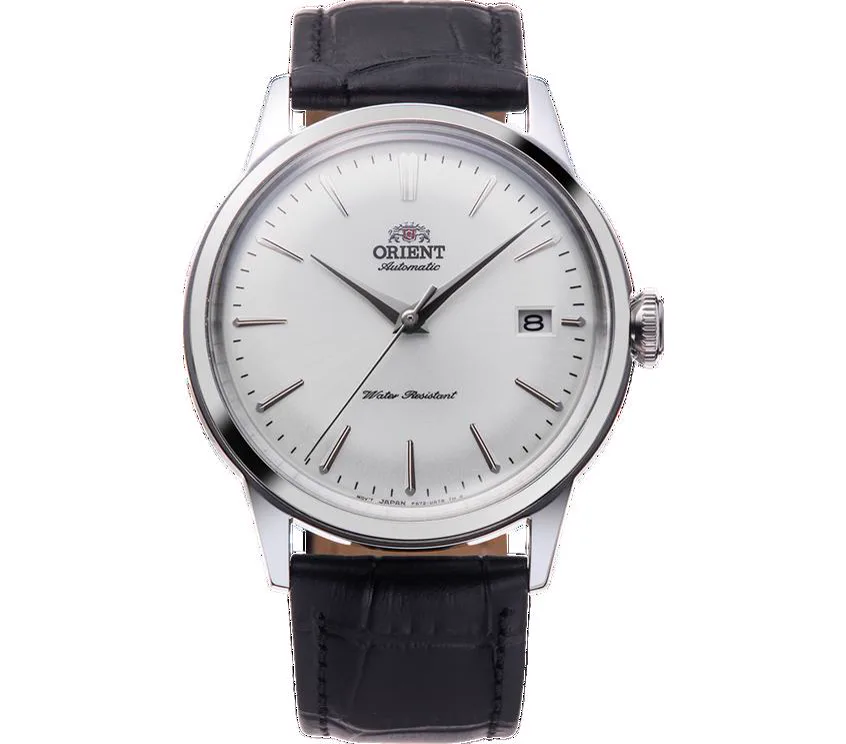
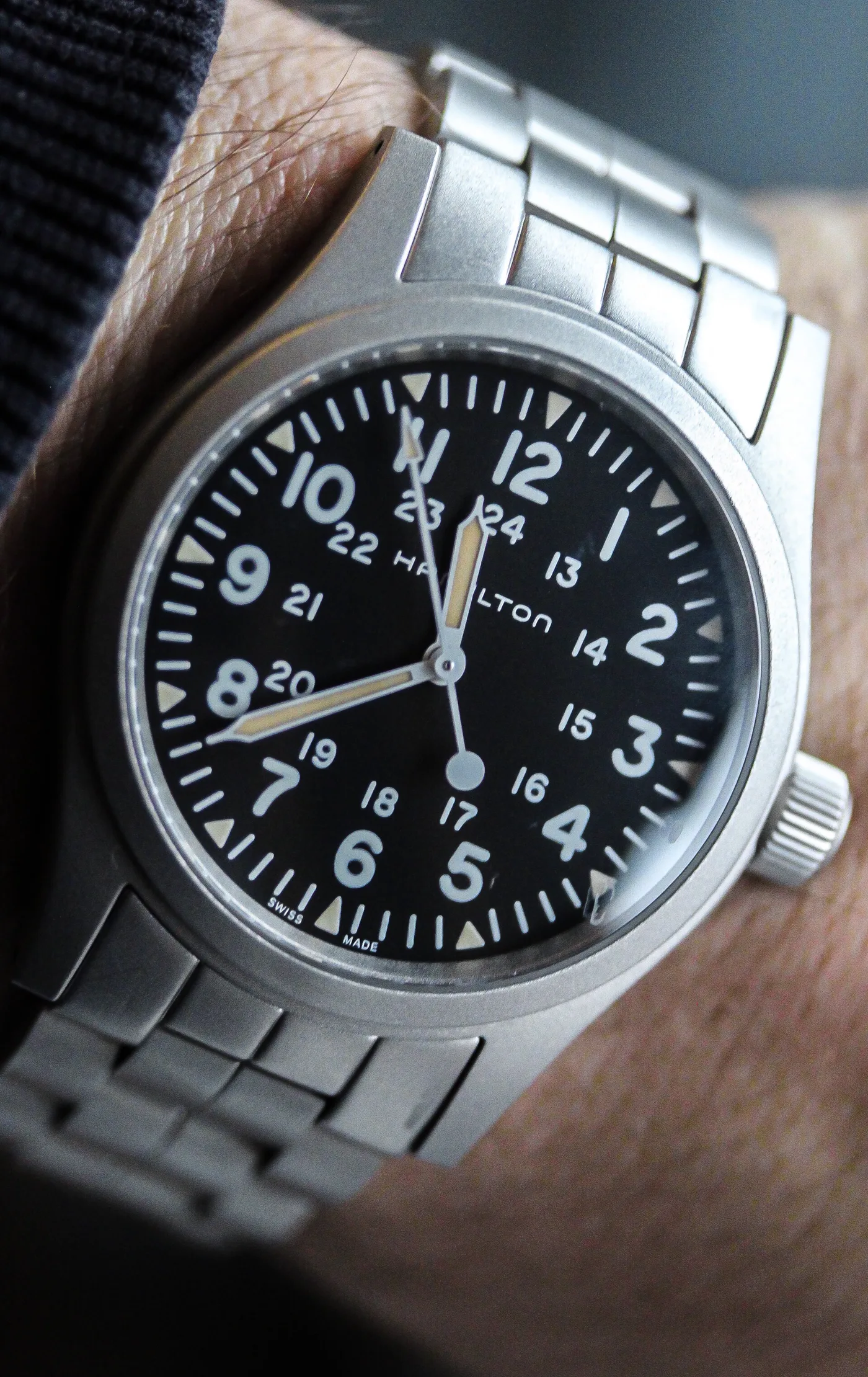
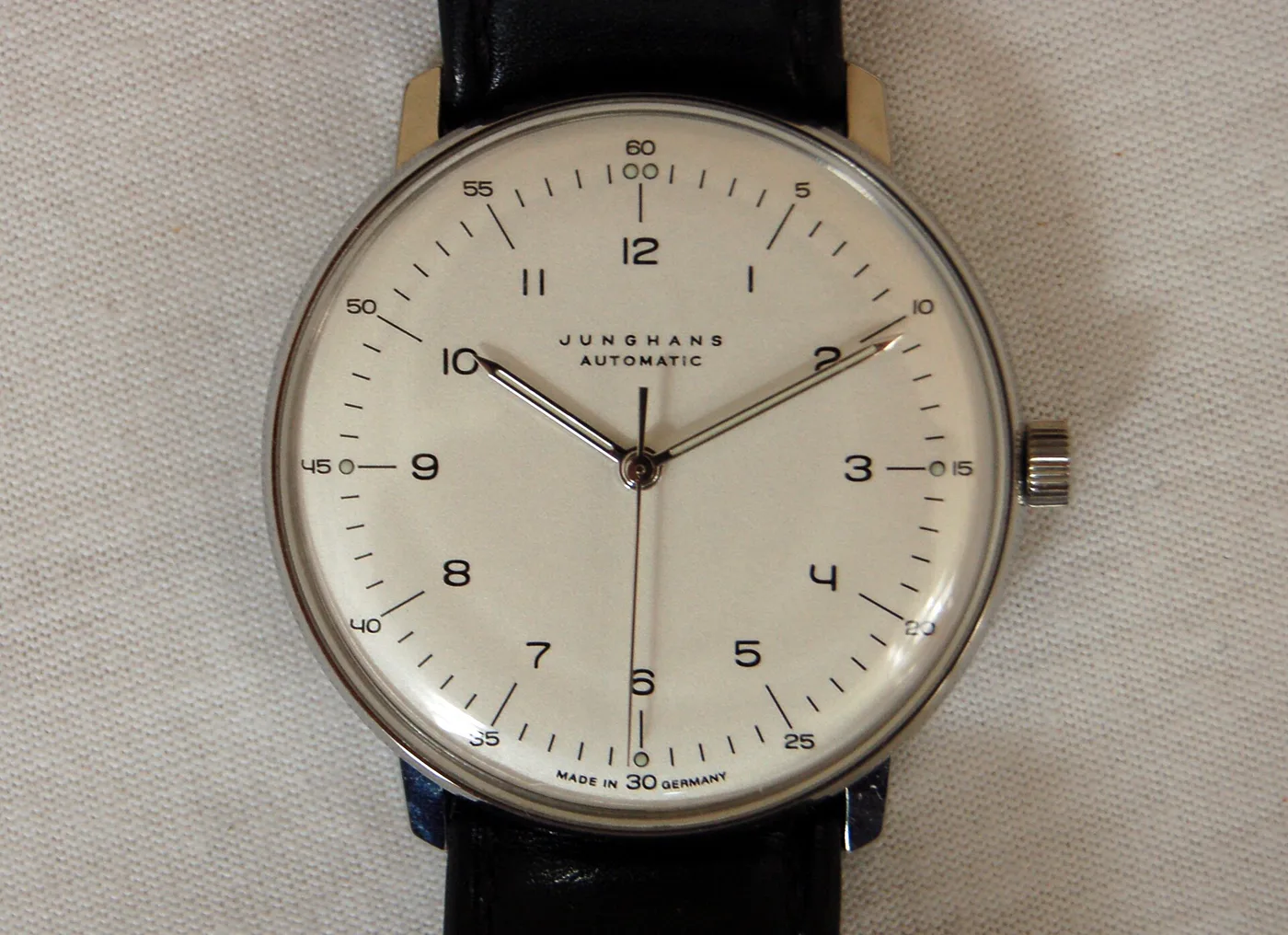
The first axis is size and thickness. Diameter is the number everyone quotes, and thickness is the number that actually decides whether a watch slides under a cuff. The Junghans max bill is 38.0mm and 10.0mm thick. The Orient Bambino is 38.4mm. The Hamilton Khaki Field Mechanical is 38mm. Put any of them beside a 42mm diver and you have two watches that occupy different amounts of your wrist and different amounts of your sleeve. That is a real gap, not a stylistic one. Lug to lug matters even more than diameter on a small wrist, and where a brand does not publish it, as Orient and Hamilton do not in our verified set, say so and plan to try the watch on.
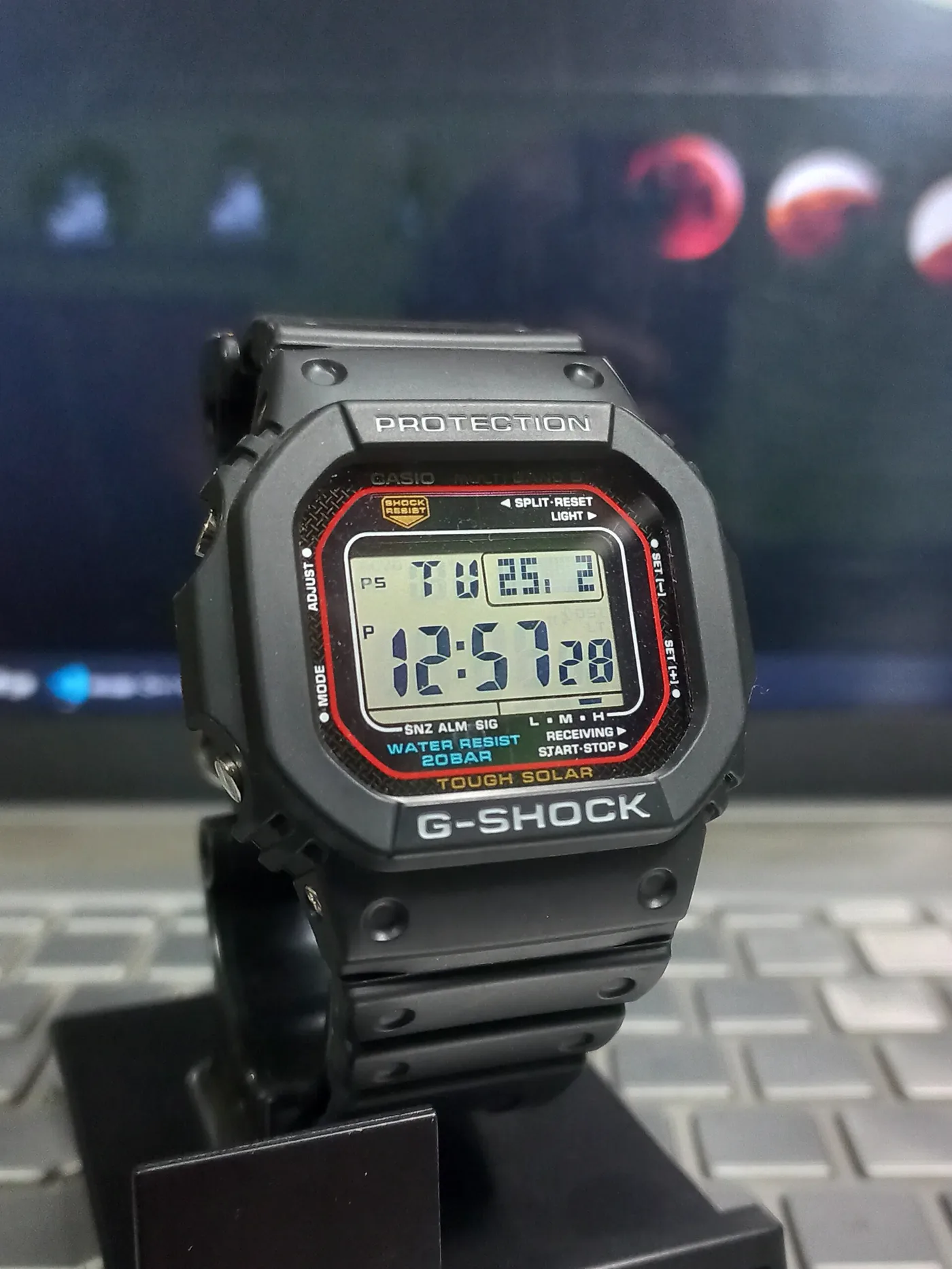
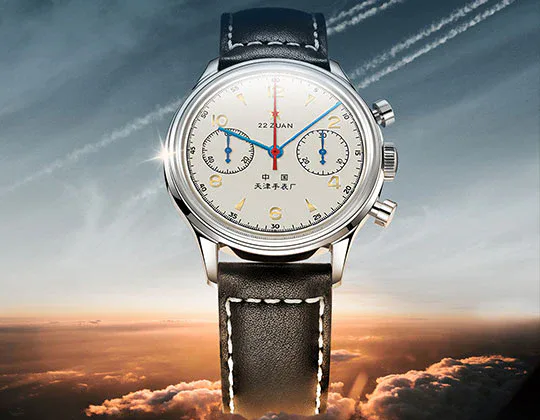
The second axis is how the watch is powered, and here the trap is subtler than it looks. A second automatic is, mechanically, your first watch again. It will sit in a drawer, run down, and need setting. A hand-wound watch changes the relationship: you wind it, you feel the reserve, and you know when it stops. The Hamilton’s H-50 has an 80-hour reserve. The Seagull’s ST1901 is manual winding with a column wheel chronograph. Neither one can be forgotten in a drawer and expected to be running in a week. Solar quartz changes it in the other direction. The Casio GW-M5610U charges from light and syncs from a radio signal, so the second watch becomes the one you never set. Different powering is a different habit, and a different habit is a genuine reason to own two.
The third axis is the water resistance rating, which is the most misread number on a watch spec sheet. We will not tell you what to do with any rating beyond what is printed on it. What the rating does tell you is what job the manufacturer designed the watch for. The 200m on the Casio is a design target for something that is meant to be knocked around. The 30m on the Orient Bambino and the Seagull is a design target for something that is meant to be worn out to dinner. The 5 bar on the Junghans is described by Junghans as rain and splash resistant and not rated for swimming. The 50m on the Hamilton sits between them. If your first watch is the one with the big number, the second can afford to have the small one, and the small number comes with slimmer, softer, more interesting cases.
The fourth axis is the function. Most first watches give you hours, minutes, seconds and perhaps a date. A chronograph is a different instrument. The Seagull 1963 is the only pick here that adds a function you do not already own, and it adds it in a column wheel, manual-winding form. That is why it ranks above the Hamilton despite costing more. The Hamilton is a different feel; the Seagull is a different tool.
With the axes in place, here is how the five fall out.
The Casio GW-M5610U ranks first because it is the furthest from a mechanical diver in how it is powered, set and worn. It is a square resin case, 43.2mm wide, powered by light, set by radio, rated to 200m. The hypescore of 88 is the highest of the five, and it carries a build score of 24 and a value score of 25. Its wearability score of 18 is the lowest of its four components, and that tells you the honest version of the trade: it is a very good tool that does not disappear on the wrist. If you are tempted to spend $1,000 on a second watch, spend $100 on this one first and see how often you actually reach for the more expensive one.
The Orient Bambino 38 ranks second because it addresses the dress gap more cheaply than anything else we rate. The case is 38.4mm, the crystal is domed mineral, the strap is leather, and the F6724 hacks and hand-winds. The price band of $180 to $260 is the second lowest here, and the hypescore of 81 includes a value score of 24. The honest limit is the crystal: mineral, not sapphire, and rated to 30m. If you are the kind of person who picks up a watch and checks for scratches, this one will annoy you eventually. If you are not, it is the best-value contrast to a diver on this list.
The Seagull 1963 ranks third and is the most interesting of the five. A manual-winding column wheel chronograph at $749 to $825, 40mm, sapphire, with a hypescore of 82 and a movement score of 21. It is also 14.5mm thick, which cuts against the idea that a second watch should be slimmer than the first. We kept it because the function gap is the largest, and because the catch is on the label. Seagull gives two power reserve figures for the same watch, 40 to 42 hours in its FAQ and approximately 45 in its marketing, so we do not pick one for you. There is no bracelet, only leather or NATO. If your first watch is on a bracelet, that is another way for the second to differ.
The Hamilton Khaki Field Mechanical ranks fourth. It has the longest reserve of any mechanical pick, 80 hours, and the smallest case along with the Junghans at 38mm. It also costs $500 to $595 and scores 78, and its water resistance is 50m. The reason it is not higher is that the Orient does the small-and-simple job for less money, and the Seagull does the different-function job with more to offer. What the Hamilton adds is the hand-wound habit with sapphire on top. That is a good reason to own it, and a narrow one.
The Junghans max bill Automatic ranks fifth, and that ranking is about price, not quality. It is $1,595 to $1,695. It scores 73, with a value score of 15, which is the lowest of the picks. What it buys is a 10.0mm case, a domed sapphire crystal, and a design Junghans says has remained almost unchanged for 60 years. It hacks and hand-winds. The power reserve is 38 hours. This is the watch for a buyer who has already ruled out the cheaper dress options and wants the second watch to be the one people comment on. For everyone else, the Orient does most of the contrast for a fraction of the money.
A word on who should skip which. If you dislike resin and digital displays, skip the Casio and go straight to the Orient. If you resent winding, skip both the Hamilton and the Seagull; they are manual-winding watches and they will not forgive you. If you want one watch to cover the dress job and you wear it on a bracelet, skip the Junghans and the Orient, which both come on leather, and be prepared to buy a bracelet separately.
And what not to buy. We looked at several watches that fit a budget but fail the test. The Steeldive SD1969 is 56mm including the crown, 15.6mm thick, and rated to 1200m. It scores 15 on wearability and 71 overall. It is a spec sheet that is interesting to read and a difficult watch to put on, and as a second watch it asks for a lot of wrist. The Pagani Design PD-1752 is $140 to $165, 36mm, but 14mm thick, which undoes the slimness a dress watch is meant to deliver. The Casio F-91W is $18 to $25, 35.2mm wide and 8.5mm thick, and it is the least expensive way out of the trap on this site. It scores 67 overall and is rated to 30m, with a resin strap and a quartz module, and we left it off only because its build score of 12 is the lowest in our inventory. Plenty of people will still love it.
The expensive traps are the same trap at a higher price. A Tudor Black Bay 58 at $4,975 to $5,350 scores 88, and a Rolex Submariner 124060 at $10,050 to $14,500 scores 88 too. Both are divers. If your first watch is a diver, the answer to a larger budget is not a better diver, it is a different watch, and the picks above are what different looks like.
The last piece of advice is the dullest. Before you buy, write down your first watch’s diameter, thickness, power source and water resistance rating. Then write the same four for the candidate. If three of the four match, you are about to step into the trap. If only one matches, buy it.
This guide launches with five picks and grows to eight. Five watches we can cite line by line beats eight we cannot.